


When you’re looking for premium hunting cabins or durable ranch cabins, you aren’t just buying a floorplan; you’re buying an asset for your land. But there is a silent threat that destroys thousands of rural investments every year: the common field mouse, the pack rat, and the squirrel.
The problem no one likes to talk about is that rodent damage almost always starts underneath the structure. By the time you smell the odor or see a flickering light, the repair bill is already into the thousands.
At MBRK Cabins, we’ve engineered a solution for the working ranch: a signature Steel-Base Floor System that creates an impenetrable barrier where other cabins are most vulnerable.
A Real-World Reality Check: The Wood Vulnerability
Even in “controlled” environments, standard wood floor construction fails the pest test. Consider these two real-world scenarios witnessed at non-MBRK competitor showrooms:
- The Slab Breach: In a professional showroom environment, a competitor’s cabin used as a sales office sitting on a full concrete slab still experienced repeated rodent issues. Why? Because the wood substrate provided enough of a “grip” for rodents to exploit tiny gaps in the sill plate.
- The Road-Base Surprise: In another instance at a rival display lot, a cabin sitting on a road-base foundation revealed a large rat nesting underneath the moment the skirting access door was opened in front of a client.
If rodents can access the underside of a cabin, the problem is already underway, whether you see it or not.
The RV Trap: Why Cabins Built Like Travel Trailers Fail
Many folks comparison shop between a factory-built cabin and a high-end RV or travel trailer. However, experienced RV owners know the “Mice in the Underbelly” horror story all too well.
Most travel trailers use a thin Coroplast (plastic) or wood-fiber sheet to “seal” the bottom. For a hungry squirrel or a cold field mouse, this is essentially a paper wrapper. Once they are inside that warm, insulated underbelly, they have unrestricted access to your entire electrical harness and PEX plumbing lines. We’ve seen travel trailers totaled by insurance companies because a rat chewed through a $5,000 main wiring loom that was inaccessible without tearing the entire floor out.
Don’t buy a cabin built like a trailer. Your ranch cabin should be a multi-generational structure, not a temporary vehicle with a vulnerable belly.
Debunking the “Spray Foam Barrier” Myth
You will hear some builders claim that adding closed-cell spray foam to a wood-base floor makes it “rodent-proof.” They argue that rodents won’t eat it because it has no nutritional value or they cannot digest it.
This is dangerously misleading.
Rodents don’t eat materials for food; they gnaw to maintain their teeth (which exert up to 24,000 PSI) and to create pathways.
- The “Soft Hardness”: While closed-cell foam is “hard” to a human touch, it is like butter to a rodent’s incisors. They can tunnel through it in seconds.
- The Concealment Highway: Spray foam actually makes the problem worse by creating a “concealment highway.” Once a rodent tunnels into the foam, you can’t see the damage to the wood or wires behind it. The foam masks the scent of the nest and hides the evidence until the infestation is massive.
- No Structural Deterrent: Foam offers zero structural resistance. Only a physical, high-tensile barrier like steel, stops a determined rodent.
Shopping Smarter: 3 Red Flags to Watch For
To get true peace of mind, you have to look past the floorplan and look at the builder’s history. When you are comparison shopping, ask these three critical questions. If the answer is “Yes,” consider it a red flag for the longevity of your cabin.
1. Did the builder start as a shed builder?
Many portable cabin companies are simply shed builders who added insulation and windows. They understand “storage-grade” wood construction and do a fantastic job with this, but they often don’t understand the structural and pest-prevention demands of a long-term residential structure. If they build sheds on the same assembly line as their cabins, they are likely using the same vulnerable wood bases for both. A wood skid system is a warning flag.
2. Is metal a “specialty line” or the standard?
If a builder offers a metal floor as an “upgrade” or only on a specific specialty line, it means their core engineering is still based on wood. They haven’t committed to the superior material across their entire fleet because it’s harder and more expensive to build. At MBRK, steel isn’t an afterthought—it’s our foundation.
3. Do they actually understand metal fabrication?
Building with steel requires different tools, different skill sets, and a different level of precision than “hammer and nail” wood construction. If a wood-builder offers a metal option, ask yourself: do they have the specialized equipment and history to do it right, or are they just trying to keep up with the market?
The MBRK Gold Standard: Steel from the Ground Up
We specialize in quality cabins built to last. While we use traditional wood framing for our walls and ceilings to maintain that classic cabin feel, we changed the rules for the foundation. Our Steel-Base Floor System is the ultimate defense:
1. Heavy-Duty Steel I-Beams
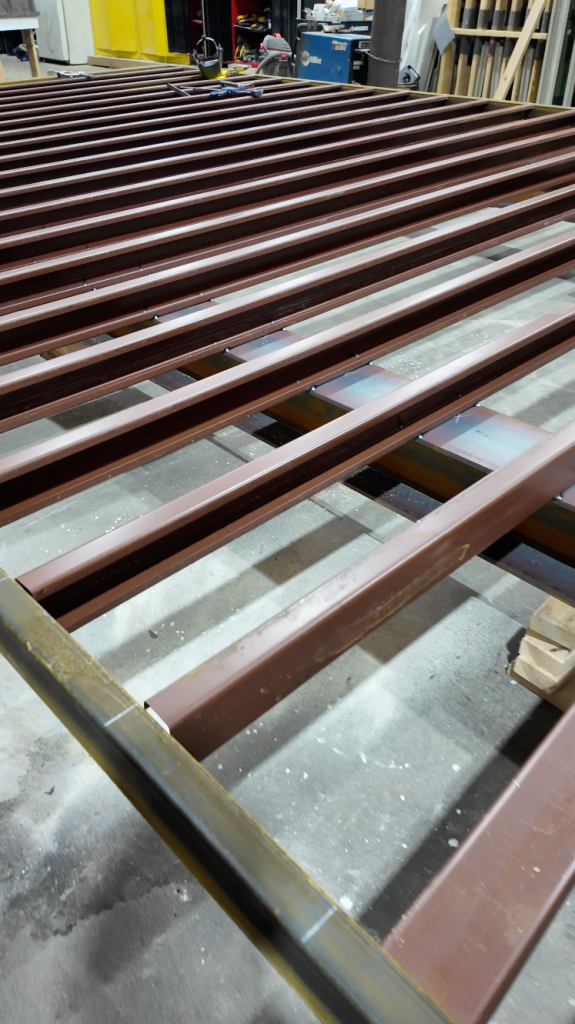
Every MBRK cabin starts on massive steel I-beams. This establishes an incredibly strong, rigid, and non-porous base that won’t sag, warp, or rot like wood.
2. Steel Floor Joists & Frame
While other builders use wood 2x6s for their floor joists and floor frame (which invite chewing), we use a complete metal floor frame and metal floor joists. We have removed the “organic hotel” that rodents seek out for nesting.
3. The Sheet Metal Shield
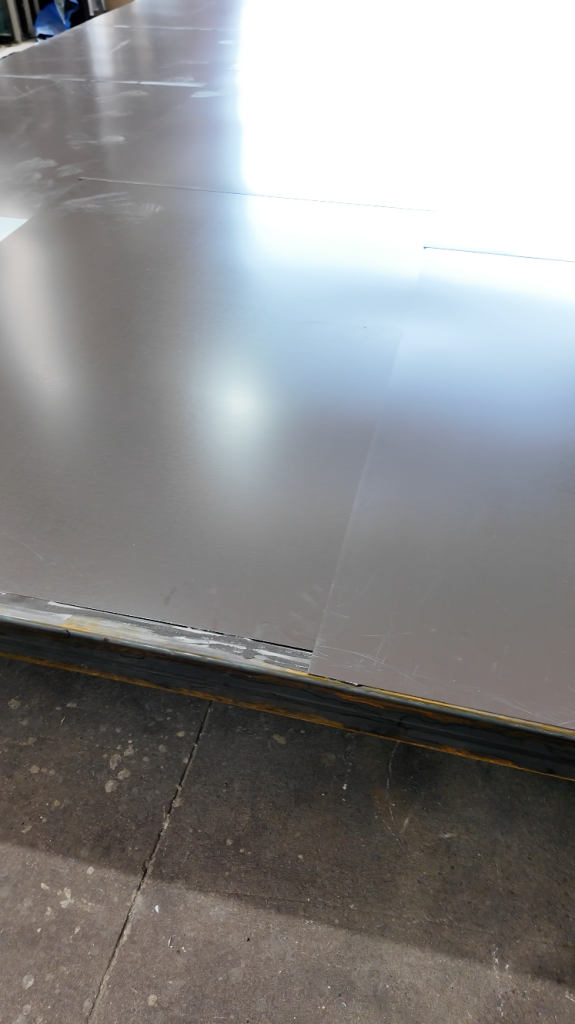
To ensure total protection, we install a continuous layer of sheet metal across the entire bottom of the floor system. This is the “Anti-RV” feature. If a rodent can’t chew it, they can’t get in. Period.
4. 26-Gauge Steel Siding
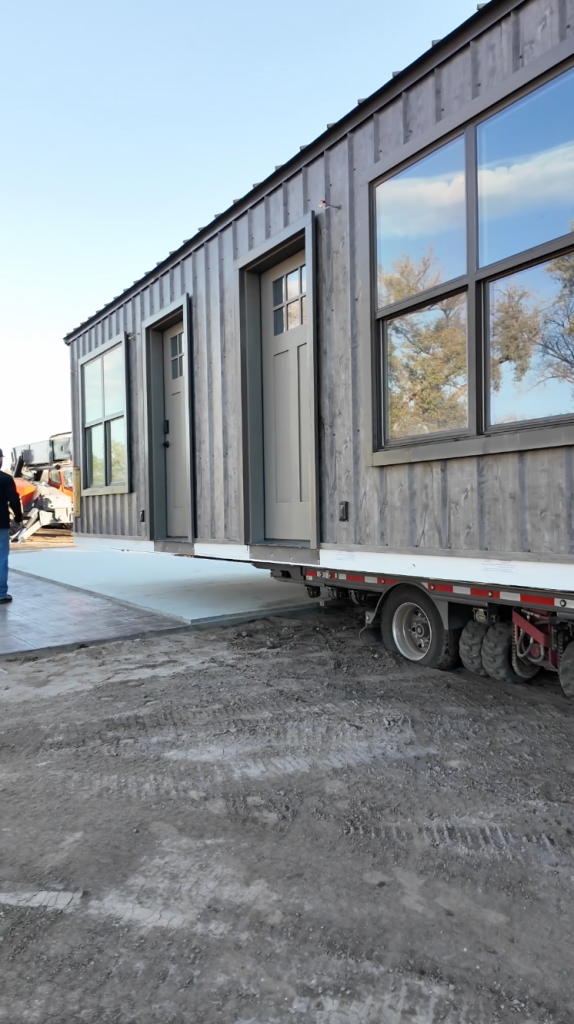
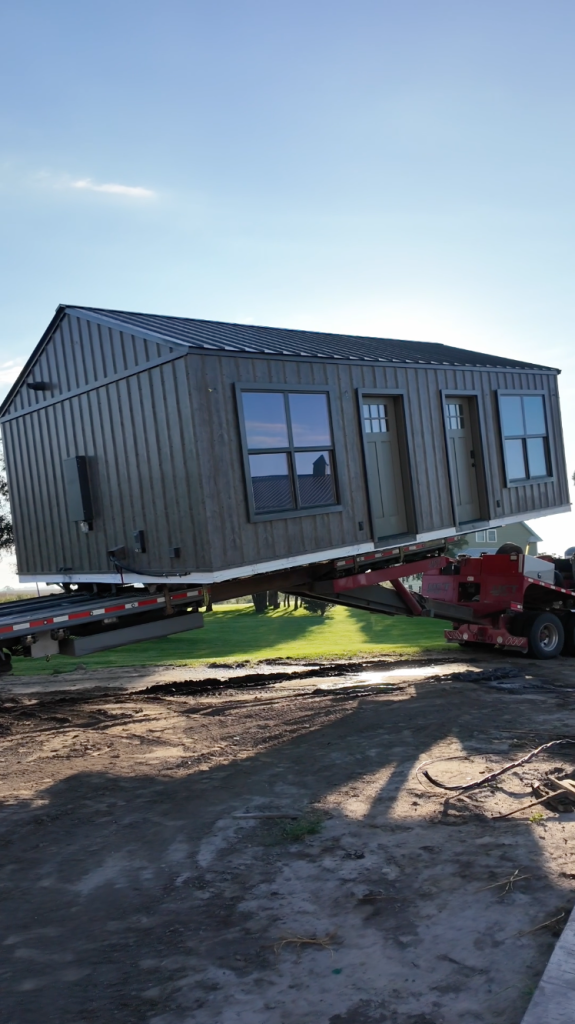
We wrap the exterior in 26-gauge steel siding. It protects your investment from the ground to the roofline.
The Price of Protection vs. The Cost of Neglect
Across the ranches of Texas and the landscapes of Oklahoma, intense rodent pressure is an unavoidable reality for any landowner. Choosing an MBRK cabin with a Steel-Base Floor System isn’t just a design choice, it’s a financial strategy.
We’ll be the first to tell you: Steel costs more than wood. An MBRK cabin carries a higher initial purchase price than a shed builder’s wood base cabin, an RV, or a mobile home. But we ask our clients to consider the “Peace of Mind” tax along with the undeniable quality difference.
When you buy a cheaper cabin, you aren’t saving money; you are simply deferring the cost. You are gambling that you won’t be the one spending $5,000 on rewiring, $3,000 on structural floor repairs, or thousands more on professional remediation when the smell of nesting becomes unbearable.
With MBRK, you pay for the protection once, at the time of purchase. You never have to worry about what is happening beneath your feet while you’re away from the ranch. A higher purchase price is the smarter financial choice when it eliminates the infinite long-term costs of a compromised foundation.
Ready to get ahead of the ranch rush? Don’t settle for a “cheap shed conversion” or a wood-and-foam floor that will be infested by next winter. Invest in the best cabins for ranch land.
*Explore our Steel-Protected Floorplans here* – link to our floorplans page
#SteelBase #RanchLife #RodentProof #TexasRanch #HuntingCabins #MBRKCabins #BuiltToLast #RVvsCabin